Miles Brengle
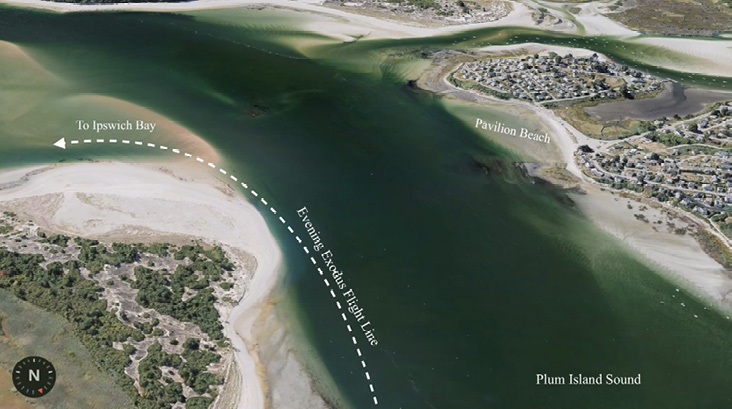
Figure 1. Map of evening exodus flight line. Image courtesy of the author.
Plum Island Sound is an important foraging habitat for sea ducks, but flocks are difficult to quantify accurately due to subsurface feeding behavior, and foraging birds disperse widely across the roughly 4,500 acres of the Sound’s estuarine habitat.
Dusk movements between foraging areas and nocturnal roosts, however, temporarily concentrate birds and facilitate an opportunity for surveying the number of individuals that forage within Plum Island Sound during the day. During evenings in fall and winter, large numbers of sea ducks depart their diurnal foraging grounds within Plum Island Sound for nocturnal roost areas in Ipswich Bay. These predictable crepuscular movements offer an opportunity to survey sea duck populations here during the nonbreeding season.
To view the rest of the article you'll need to
subscribe. Bird Observer publishes original articles on birding locations, on avian populations and natural history, on regional rarities, field notes, field records, photographs, and art work.