Barbara Seith
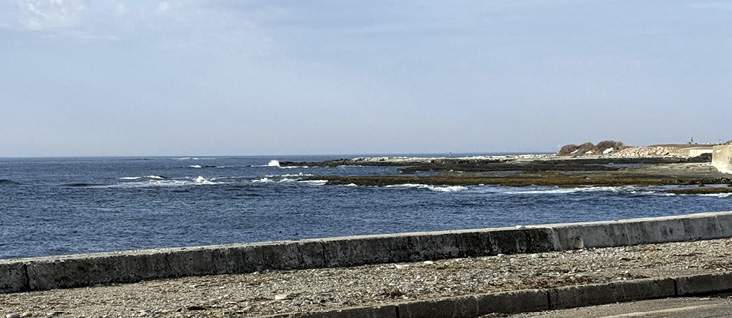
Aquidneck—Ocean Drive. All photographs by the author unless otherwise indicated.
Rhode Island is the smallest state in the United States, but it offers a surprising variety of habitats and birding opportunities for people of all abilities. From coastal wetlands to urban parks, the Ocean State hosts a diverse population of birds in accessible settings.
Accessible means different things for different people. Some look for accessible trails to walk or use a wheelchair. Such trails are either designed to be wheelchair friendly or are flat with limited obstacles. Car birding routes are driven with points to stop and bird along the way or stationary points you can drive to. Rhode Island also offers a birding tour of a land trust property in a type of all-terrain vehicle. This review includes only spots that I have personally birded and includes access pointers that come only from direct experience.
Rhode Island’s Habitats
The state has a wide variety of habitats including old growth forests, rivers, swamps, large fields, sod farms, lakes, ponds, salt ponds, salt marshes, ocean beaches, ocean overlooks, cemeteries, and parking lots. Many of these habitats are represented in the birding spots detailed below. I note that this list is far from comprehensive as there are many additional accessible birding opportunities in Rhode Island.
The listings below are grouped into areas that are near each other and can be birded in a single trip with an hour or two needed to bird each spot. For each site, I note if the trails are wheelchair accessible and what obstacles you might encounter getting to the trail. Parking and restrooms are indicated if available.
AQUIDNECK ISLAND CLUSTER
Norman Bird Sanctuary, Middletown
The Universal Trail is touted as one of the state’s best examples of inclusive nature design and it is the only ADA-compliant trail on this list. The short path is packed stone dust and boardwalk with somewhat gentle grades through a field and wooded area to a pond. It measures 1,500 feet one way on an out-and-back trail and it connects to a viewing platform overlooking a pond. Every walk in the sanctuary begins on a section of this path. I found the grade a bit less than gentle and believe it would be difficult for a wheelchair user to navigate solo. Because it is not in the heart of the sanctuary, the bird activity is more limited than on the other five-plus miles of trails. Some handicapped parking spaces are available, and accessible restrooms are near the Welcome Center. <https://normanbirdsanctuary.org/visit/trails-and-sanctuary/>
Sachuest Salt Marsh, Middletown
This route is lovely for car birding any time of the year. It features both marsh and ocean habitat starting at the intersection of Third Beach Road and Hanging Rock Road. Follow Third Beach Road through the marsh, stopping at the parking area across from the town beach, and continue to the Third Beach parking lot—unless it is summer when entrance is limited to residents. Five hundred feet from the Third Beach entrance, take the road that heads west through the marsh. It is worth a round trip on these roads because the marsh extends along both sides of the road.
The marsh is rich in birdlife including Sharp-shinned, Cooper’s, Red-tailed, and Rough-legged hawks, plus Short-eared and Snowy owls, American Woodcocks, and a large assortment of sparrows including Clay-colored, Fox, White-crowned, Swamp, Savannah, American Tree, and Chipping. <https://ebird.org/hotspot/L422517>
Sachuest Point National Wildlife Refuge, Sakonnet Platform Trail, Middletown
Many of the Sachuest trails are packed dirt or gravel and fairly flat, but only the Sakonnet platform trail could be considered wheelchair accessible. The platform trail is an out-and-back trail that is about 1,500 feet long one way. The platform has a ramp and provides wonderful views of the widest part of the Sakonnet River. There is brushy habitat on the walk to the platform as well. Some handicapped parking spaces are available and accessible restrooms are in the Nature Center.
Birds reported include Yellow-breasted Chats, Eastern Towhees, and multiple species of swallows. In early autumn it is possible you will be swarmed with Tree Swallows on the road to the refuge. From the platform the rocks near shore are surrounded by most of the sea ducks that frequent Rhode Island as well as Horned and Red-throated grebes and the occasional Snowy Owl in winter. <https://www.fws.gov/refuge/sachuest-point>
Goose Neck Cove, Newport
Stop along Ocean Drive with water on both sides of the road. To the left is a cove and a passing view of the ocean. On the right is a salt pond with a large rock that, in spring, features a Common Tern rookery about 50 feet from the roadside. Egrets and herons abound except in winter, and an occasional Hudsonian Whimbrel has been reported. <https://birdinghotspots.org/hotspot/L191762>
Ocean Drive and Brenton Point State Park, Newport
Ocean Drive passes along the water in front of Brenton Point State Park, providing good views down past the park entrance to Castle Hill Inn. Make a U-turn and enter Brenton Point State Park on the left. In the park there are fields and brushy areas. Parking near and walking past the building leads to a flat grassy walk that winds through the woods. This area can yield warblers and other migrants in spring and fall.
Along and near the road the species to look for in the winter include Horned Larks, Lapland Longspurs, Snow Buntings, cormorants, Razorbills, Harlequin Ducks, Purple Sandpipers, and Brants. Spring and summer yield Field Sparrows and Ruddy Turnstones, plus Royal and other terns. Throughout the year, Common and Red-throated loons and most sea ducks are seen regularly. <https://riparks.ri.gov/parks/brenton-point-state-park>
Fort Adams, Newport
Fort Adams is most known as the home of the Newport Jazz and Folk Festivals. There is a road that provides water access all along the east side of the park. Across from the sailing school, the road that splits the playing fields is a good place to review goose flocks. To the west sits the Eisenhower House. To the right of the house is a road that leads to great views of the Jamestown passage. The road to the right of the house passes through wooded areas.
Rare species that often show up here include Lark Sparrows, Dickcissels, Winter Wrens, Orange-crowned Warblers, and Ross’s Goose. <https://www.discovernewport.org/listing/fort-adams-state-park/3509/>
JAMESTOWN CLUSTER
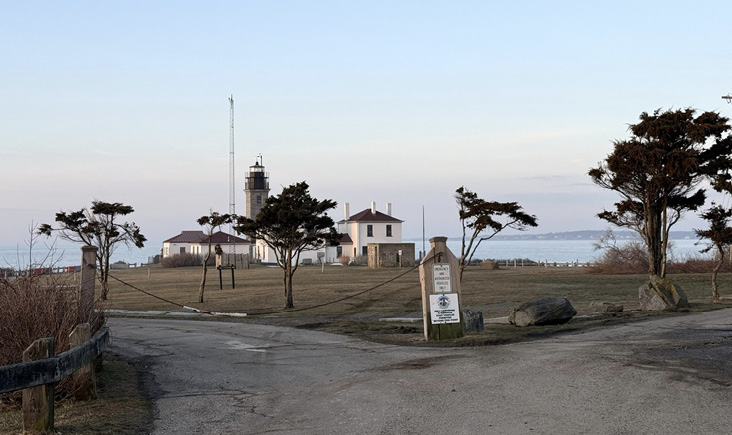
Jamestown—Beavertail State Park.
Weeden Lane, Jamestown
Windmist Farm provides field habitat to the south of the road replete with cows, chickens, lambs, and goats. There are additional fields north of the road. It is a good spot for raptors. Recently reported species include Glossy and White-faced ibises, Western Cattle-Egrets, Killdeers, and Northern Lapwings. <https://ebird.org/hotspot/L717814>
Marsh Meadows, Jamestown
Marsh Meadows is a productive, marshy salt pond. Currently there is a pulloff—Zeke’s Place—where you can observe from your car or get out and walk a bit, but construction is scheduled for the next year or so to raise the road. It is not known if there will be a place to stop when the construction is completed.
Several Osprey nests occupy the marsh with birds from March through September. One of the nests has webcam coverage. <https://www.conanicutraptors.com/creek-nest-cam/>
Other species that can be found here are Belted Kingfishers, Greater Yellowlegs, Great Blue Herons, Yellow-crowned Night Herons, and, occasionally, Little Blue Herons. <https://ebird.org/hotspot/L686690>
Sheffield Cove, 66 Maple Avenue, Jamestown
Maple Avenue passes through a birdy wooded area on the way to the cove. Veer left and continue past the reeds for a good view of the water. This site is not an eBird hotspot, but it provides a home for American Oystercatchers, Red-winged Blackbirds, Fish Crows, and most of the Rhode Island gull species. <https://share.google/yNXUQcjbJZhQlNnIq>
Beavertail State Park, Jamestown
Beavertail provides a nice car birding spot and the opportunity to walk or wheel on a paved trail that circles the lighthouse. Parking lot one is a great place to watch and listen for morning flight. Woods line the lot and to the east is a large field that can be hunting grounds for raptors. It is also a decent place to listen for owls before dawn and at dusk.
Parking lot two overlooks lower Narragansett Bay. The flat paved trail is to the south. It passes through a brushy area that is great for swallows and on to the ocean-facing loop. Handicapped parking is designated in each of the lots. Although reaching them requires going over some grass, there are ramps to several of the composting toilet houses that are large and easy to use.
There is a flat grass trail that follows the power lines in the center of the park. This area has been attractive for vagrants in the past. The road on the remaining loop to exit the park is lined with woods and high brushy areas. Keep your eyes and ears open along the way.
In winter the lighthouse trail is great for sea ducks and an occasional pelagic bird. Gulls abound and spring brings a variety of warblers, vireos, and sparrows. <https://www.visitrhodeisland.com/listing/beavertail-state-park-and-museum/8240/>
FOSTER CLUSTER
Rockland Cemetery, Scituate
This small, wooded cemetery includes a stream, marshy area, and old growth forest. Follow Rockland Cemetery Road to the fork and veer left up the hill. Do not go all the way up to the gate, but do not miss this area either. The stream attracts birds that are not in the cemetery proper. At the bottom of the hill turn left onto the cemetery loop. The first corner is a good place to stop. Continue up the hill and stop again for a good look and listen. There is a boggy area at the bottom of the hill that is worth a stop, and around the next corner expect to hear both species of waterthrush along the road.
Birds are around in all seasons. Species found in winter include Pileated, Downy, Red-breasted, and Hairy woodpeckers, Northern Flickers, and Yellow-bellied Sapsuckers. Species seen all year include Barred Owls, Brown Creeper,s Wood Ducks, and an occasional Red Crossbill. Birds arriving in spring include Wood Thrushes, Louisiana and Northern waterthrushes, Eastern Bluebirds, and Eastern Wood-Pewees. <https://ebird.org/hotspot/L23449783>
Ponagansett Road, Clayville
This road is only about 1.7 miles long, but it provides a variety of habitat. It is primarily forested, but includes a few fields, a farm, several cemeteries, some brushy areas, and a reservoir. There are opportunities to get out and walk the road, but it is not particularly wheelchair friendly. Most of the road is packed dirt.
Woodpeckers abound in winter and—when the reservoir is not frozen—Common Mergansers, American Black Ducks, and Mallards float there. Spring through fall is busy with Swainson’s, Hermit, and Wood thrushes, Cerulean, Chestnut-sided, Hooded, and Blackburnian warblers, Northern and Louisiana waterthrushes, Orchard and Baltimore orioles, and Blue-headed, Red-eyed, White-eyed, and Yellow-throated vireos. Additional species include Yellow-billed Cuckoos, Broad-winged Hawks, and Bald Eagles. <https://ebird.org/hotspot/L731326>
Rams Tail Road, Foster
Just north and west of the top of Ponagansett Road the habitat is slightly different. A number of streams cross the road with tall stands of deciduous trees. The road ends at a larger moving stream and a cemetery. There are several houses with platform bird feeders.
Species spotted here have included Worm-eating, Black-throated Blue, Nashville, and Blue-winged warblers, Ovenbirds, and Rose-breasted Grosbeaks. One year in winter, there was also a flock of Evening Grosbeaks. <https://ebird.org/hotspot/L739037>
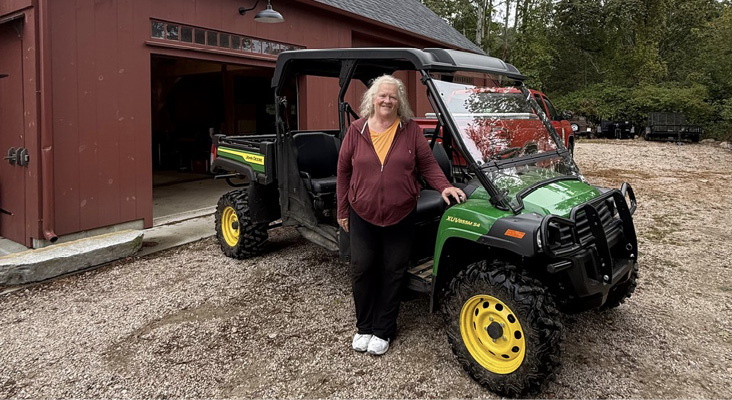
The author with a Gator, Washington. Photograph courtesy of the author.
Luther Road, Foster
This road cuts through a younger growth forest. At the start, the woods come right up to the road, but it continues through fields and a farm. I have only birded this road in spring when my species sightings have included Scarlet Tanagers, Blue-gray Gnatcatchers, Veerys, Magnolia Warblers, American Redstarts, Blackpoll Warblers, Northern Parulas, and Common Yellowthroats. <https://ebird.org/hotspot/L47059435>
Green Acres, Foster
This small park in the western part of Foster features a pond with a marsh behind it. Accessing the marsh requires navigating a bridge or a small stream and I have never attempted it, but the pond area itself is worth a look. This site is where Rhode Island’s first-of-the-year Least Flycatchers show up. Other species include Tennessee, Cape May, and Blue-winged warblers, Tree, Northern Rough-winged, and Barn swallows, Rusty Blackbirds, Purple Finches, Common Nighthawks, Chimney Swifts, American Bitterns, and Spotted Sandpipers. <https://ebird.org/hotspot/L11344938>
Note that the park is currently a staging area for nearby bridge construction. I suspect during working hours it is loud, but it was quiet when I visited on a weekend in March 2025.
NORTHERN WASHINGTON CLUSTER
Canonchet Road and Ell Pond Loop, Hopkinton
This Hopkinton spot is a long, productive loop with varied habitat. The Canonchet Road portion is 2.8 miles. At 1.1 miles, just after the factory, Stubtown Road to the left is worth driving. At 1.2 miles is Ashville Pond, where there is a pulloff to look at the pond and scan the surrounding trees for raptors. At 2.14 miles there is a dirt parking lot that often has birds in the spring.
At the intersection of Canonchet and North Road turn left onto North Road but be advised that this road is best traveled in a higher-clearance vehicle because part of it is not maintained and can be rutted. There are areas where you can see several ponds along the road on the right side, and marshes line the left side. At almost a mile the Ell Pond trailhead is on the left side. This spot is a good place to rest or stretch your legs and look for birds.
About 1.5 miles down North Road there are tall pines on the left side, where Black-throated Green Warblers arrive in spring. On a bit farther there are usually a good number of Black-and-white Warblers and on the final descent look for Worm-eating Warbler nests in the rhododendrons. Once you see the houses on your left, you are back to civilization.
Roaring Brook Accessible Trail, Exeter
My favorite accessible trail in Rhode Island is a 0.9-mile loop in Exeter that consists of 0.35 mile of boardwalk, then a dirt road. It is a well-maintained wood walk with many places to sit—including picnic tables and benches that are all solid and have arms to assist getting up.
Park at the upper pond after slowly driving along the road to get good views into the trees. Orange attire—a vest or hat will suffice—is required most of the year. About 50 feet down the trail—just before it turns west—is the “Hot Corner.” This area has the most bird activity on the trail and there is a place to sit. Continue down the boardwalk through the woods to another pond and a loud waterfall. At this point you can walk up the dirt road or turn around and go back on the boardwalk. Benches and picnic tables dot the boardwalk. Although there are dog walkers, they are respectful and for the most part you will have the path to yourself.
Species commonly seen include Warbling, Red-eyed, White-eyed, and Blue-headed vireos, Louisiana and Northern waterthrushes, Bald Eagle, Broad-winged Hawks, Indigo Buntings, Hooded Warblers, Eastern Kingbirds, and Baltimore Orioles. Yellow-throated Vireos are seen occasionally. <https://www.alltrails.com/trail/us/rhode-island/upper-roaring-brook>
Great Swamp Management Area, Great Neck Road, South Kingstown
The Great Swamp is the largest swamp in New England and although the management area is not accessible, Great Neck Road which leads to the swamp is good for birding. There is great habitat along that road, including swamp, ponds, and lots of woods. There is a swale by the road that gives space to see into the woods from a car.
Starting on Liberty Lane, which passes several large fields and cell towers, the road turns to follow train tracks and becomes Great Neck Road. Soon a pond will be on your left and a swamp on the right, and the next 500 feet is a good spot in the spring for warblers.
Continuing over the hill you will come to a great spot for raptors along the power lines. Past the Department of Environmental Management complex on the left is a short road that leads to a power station. The brushy area on the left side of that road can be a great place for sparrows and vireos in the spring. Back on the main road, there will be another left that leads to the shooting range. The first 200 feet of this road is a productive spot and you can continue on to the shooting range, but be forewarned that it can be loud if in use.
Back on the main road, there will be a grassy spot to pull off on the left side of the road. Hooded Warblers are seen and heard in the spring here. A few hundred feet down the road is the parking lot for the trail that can also be productive.
Typical species at this location include Wilson’s Warblers, Scarlet Tanagers, Rusty Blackbirds, American Kestrels, Ospreys, Cooper’s Hawks, Blue-gray Gnatcatchers, and Wood Ducks. <https://www.birdobserver.org/Issues/2021/October-2021/a-guide-to-birding-great-swamp-management-area-south-kingstown-rhode-island>
Buckeye Brook Road, Charlestown
This partially residential road winds through Burlingame State Park and has some easy pulloffs and parking lots with good car birding. My favorite spot to sit and have coffee is here <https://maps.app.goo.gl/yvvLsHgiSm7Eg7ub9> where there are deep woods on both sides with a stream running nearby. Driving slowly through this area with occasional stops can be productive. Early morning is best and weekends are better than weekdays when folks are driving quickly to get to work. A slow cruise down this road ending at Burdick Cemetery makes for a wonderful spring morning.
Expected species would include Northern Waterthrushes, Orchard Orioles, Blue-winged Warblers, Veerys, Brown Thrashers, Ovenbirds, Scarlet Tanagers, Northern House Wrens, and Eastern Kingbirds. <https://ebird.org/hotspot/L15089574>
NARRAGANSETT CLUSTER
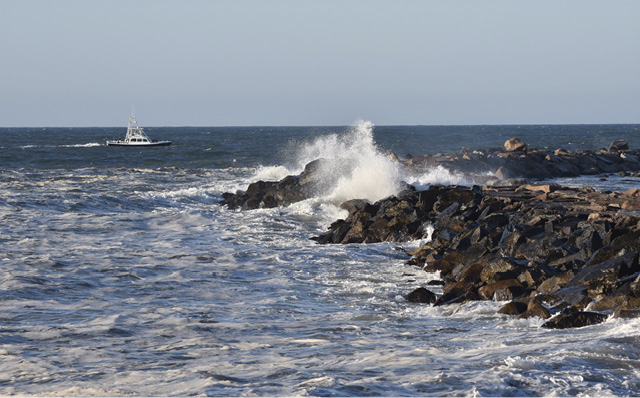
Narragansett—Camp Cronin fishing area.
Narragansett Sea Wall, Narragansett
This area includes a 1.4-mile out-and-back sidewalk trail that should work for wheelchairs and has great ocean views from Narragansett Beach. Park at the town parking lot and head south to Ocean Road where there is a sidewalk that hugs the coast. It is productive year-round with gulls, including an occasional Black-headed or Common gull, sea ducks, Purple Sandpipers, Sanderlings, Red-throated and Common loons, and Great and Double-crested cormorants. <https://narragansett-wall.edan.io/>
Scarborough State Beach, Narragansett
There are several areas to bird at this hotspot. The parking lots on both sides of Ocean Road are good spots for gulls—Black-headed in particular—and a Northern Lapwing was found among the Killdeer one year in the overflow lot. There is an accessible sidewalk next to the north parking lot and a raised viewing structure with a ramp. The south parking area—it is not big enough to call a lot—is a good place to bird the fields that surround it.
One of the birdiest areas is a jetty that is a tough walk along the beach, but it is viewable with a scope from the south end of the sidewalk. Species reported here include Cave Swallows, Horned Larks, American Pipits, Baird’s Sandpipers, Horned Grebes, Piping Plovers, and Semipalmated Plovers. <https://riparks.ri.gov/beaches/scarborough-north-state-beach>
Camp Cronin Fishing Area, Narragansett
A rough road leads to a panoramic view of the Atlantic Ocean and a large jetty that often yields rarities. Parking is available with a sea view. In the morning the parking faces into the sun, but at the right sun-angle the birding can be extraordinary. It also pays to spend some time next to the “other side” where there is a brushy area that plays host to many fall migrants who saw the vast ocean ahead and decided to put down for the day.
Species reported include Dovekies, Razorbills, Northern Gannets, Great and Manx shearwaters, Roseate, Common, Forster’s, Least, and Sandwich terns, Magnificent Frigatebirds, Spotted and Purple sandpipers, Harlequin Ducks, and Black, White-winged, and Surf scoters. <https://ebird.org/hotspot/L490189>
Galilee Escape Road and Bird Sanctuary, Narragansett
The Galilee Escape Road bisects the Galilee Bird Sanctuary. The road has wide shoulders ideal for pulling off—it doubles as parking in the summer—and on the south side, several short roads run closer to the channels in the marsh. To the north is a saltwater cove with marsh and to the south is mostly marsh with several channels.
Species reported include Nelson’s Sparrows, Chimney Swifts, Clapper Rails, Lincoln’s Sparrows, Gray-cheeked Thrushes, Black-crowned Night Herons, Virginia Rails, Black-bellied Plovers, Short-billed Dowitchers, Glossy Ibiss, and Green Herons.
MID-SOUTH COUNTY CLUSTER
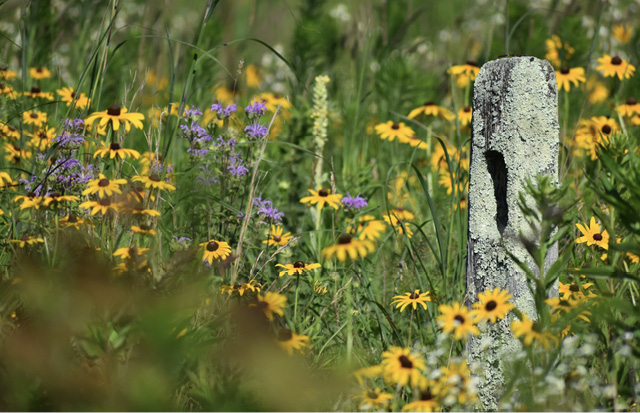
Washington—Avondale Farm.
Succotash Marsh, South Kingstown
Succotash Road circles the inner marsh, providing views of the outer marsh and Galilee Harbor. First stop at the back of the parking lot by Cap’n Jack’s Restaurant. Between late March and September, stop in view of the sign to get about as close as you will ever get to an occupied Osprey nest. Continue to the back side of the lot—if the tide is right—to view a sand bar and marsh occupied by gulls, terns, waders, and shorebirds.
Continue down Succotash Road to a turnout on the east side of the road with a view of a channel. Across the road is a pond that is excellent for close-up views of the birds mentioned above. There are several small ponds on the left on as you continue and to the right just prior to the state beach is what is called the “Sweet Spot.” A scope can be helpful here, but most of the birds are visible through binoculars. Off season it is worth going into the state beach parking lot and birding the edges. There is also an accessible port-o-let near the beach pavilion.
Continue to the east on Succotash Road, keeping an eye out for raptors to the north, and make the turn to the left at the traffic circle. The next right leads to a small pier that extends into Galilee Harbor. The tiny beach to your right has been known to host a vagrant Brown Pelican and unusual gulls. Return to the main road and then take a right onto a road that leads to the backside of the marsh. There is some productive brush to your left in front of the marsh and tidal waters to your right. Turn around at the last parking lot, because the view is limited on the rest of the road, which narrows and ends in a residential dead end with a difficult U-turn.
Species seen in this area include Roseate, Forster’s, Royal, Caspian, Least, and Common terns, Virginia and Clapper rails, Seaside and Saltmarsh sparrows, White-rumped, Western, Spotted, Solitary, Least, Semipalmated, Stilt, and Pectoral sandpipers, Long-billed and Short-billed dowitchers, Tricolored, Great Blue, and Little Blue herons, Yellow-crowned and Black-crowned night herons, and Thayer’s, Glaucous, Iceland, Lesser Black-backed, and Bonaparte’s gulls, plus White-faced Ibises, Wilson’s Snipes, Red Knots, Ruddy Turnstones, American Oystercatchers, Hudsonian Whimbrels, American Avocets, Northern Harriers, Willow Flycatchers, and Snow Buntings. <https://blairbirding.com/2019/06/05/sufferin-succotash-birding-rhode-island/>
South Kingstown Town Beach, South Kingstown
This spot is available only to residents June through August. The parking lots are surrounded by brush, edge habitat, and a large field where owls and raptors hunt. From the parking lot closest to the ocean, there is a wheelchair-accessible ramp to an overlook that provides good views of the water and the beach. Species reported include Vesper Sparrows, Razorbills, Northern Gannets, Little Gulls, American Pipits, Fish Crows, Short-eared Owls, and Northern Harriers. <https://www.visitrhodeisland.com/listing/south-kingstown-town-beach/8536/>
Weeden Farm Preserve, South Kingstown Land Trust, South Kingstown
This large mixed habitat property offers tours on a Gator—a golf cart and ATV hybrid—with a birding guide for up to three people except in winter. Some mobility is required to get into the vehicle to visit forested glens, fields, stone walls, and brushy open spaces. The tours last about two hours and there is a restroom at the departure spot. Contact South Kingstown Land Trust at tasha.sussman.moss@sklt.org or 401-789-0962 x204 to inquire about availability.
Species spotted here include Indigo Buntings, Field Sparrows, Vesper Sparrows, Lincoln’s Sparrows, Blue Grosbeaks, Brown Creepers, Winter Wrens, Eastern Bluebirds, Ruby-crowned Kinglets, Golden-crowned Kinglets, Eastern Meadowlarks, Greater White-fronted Geese, Snow Geese, Red-tailed Hawks, American Kestrels, Merlins, and Brown Thrashers. <https://sklt.org/wp-content/uploads/2013/03/Weeden_Trailmap.pdf>
Ninigret Park and Ninigret National Wildlife Refuge, Charlestown
There are two Ninigret properties, the Ninigret National Wildlife Refuge and Ninigret Park, which borders the north side of the refuge. From Old Post Road—Route 1A—enter Ninigret Park and follow Park Lane to the east entrance of the refuge near the Grassy Point trailhead. The Charlietown Runway trail leaves from the northwest end of the lot next to the handicapped parking and is 0.75 mile long, paved, and fairly flat. There is an accessible restroom adjacent to the parking lot.
When you are ready to get back in the car, drive through the woods to Ninigret Pond by following the signs to the kayak launch. Expansive views of the pond are available at the launch. The open space at the south end of the parking lot features American Woodcocks singing and displaying during mating season at dawn and dusk. Driving the roads throughout the park and stopping at the parking lot for the observatory is a route for car birding.
Species spotted include Eastern Whip-poor-wills, American Woodcocks, Killdeers, Fox Sparrows, Field Sparrows, and Peregrine Falcons plus a variety of owls including Northern Saw-whet, Eastern Screech, Long-Eared, Great-horned, and Barred. <https://ebird.org/hotspot/L1323326>
Quonochontaug Breachway, Charlestown
Start birding near the top of West Beach Road at the first view of the water. There are natural spots to bird along the road as you make your way to the breachway. At the end of West Beach Road, turn right to continue onto the breachway road. There are a number of spots to pull off the road for a better look into the breachway, which is often active with birds.
Continue down to the boat launch to park or take in the view of the pond, sandbar, and point from your car. It can be busy in season and, although there are handicapped spaces, parking can be at a premium. In the summer there are handicapped-accessible port-o-lets in the parking lot. It is a short walk in fairly hard, packed sand out to the point where, leading up to high tide, shorebirds come in close. It is a wonderful place to experience Horseshoe Crab mating.
Shorebird species reported include Least, Semipalmated, White-rumped, Pectoral, Stilt, Western, Buff-breasted, Solitary, and Spotted sandpipers, Piping, Semipalmated, Black-bellied, and American Golden plovers, Marbled and Hudsonian godwits, Ruffs, Killdeers, Willets, and Red Knots. Terns, waders, and cormorants are in residence from spring to fall as well. <https://ebird.org/hotspot/L466299>
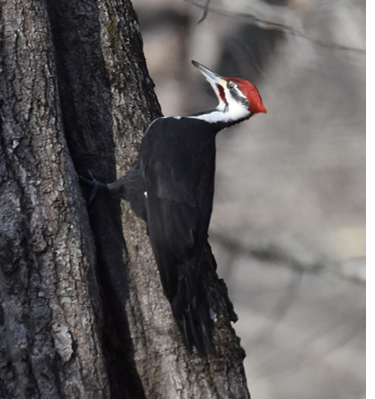
Pileated Woodpecker. Buckeye Brook Road, Charlestown.
WESTERLY CLUSTER
Weekapaug Lookout, Westerly
This scenic overlook directly on the ocean offers great views of the Block Island Sound and past Misquamicut Beach to Watch Hill. Species reported include Razorbills, Northern Gannets, Thick-billed Murres, Barn Swallows, Spotted Sandpipers, Ruddy Turnstones, sea ducks, Brants, and Horned Grebes. <https://ebird.org/hotspot/L1044370>
Atlantic Avenue and Misquamicut State Beach Parking Lot, Westerly
This car birding route follows Atlantic Avenue along Winnepaug Pond to the state beach parking lot. At the beginning, on both sides of the breachway bridge there are parking lots with a view onto the breachway. Continue down Atlantic Avenue until you see the view open up onto the marsh. Look all along here for shorebirds, waders, and Ospreys.
If it is not summer, at the town beach take a right into the excess parking lot and drive out to the kayak launch for excellent views into the pond. Back on Atlantic Avenue take a left before the carousel for a fine ocean lookout from the parking lot. Farther up Atlantic Avenue turn into the Misquamicut State Beach lot to scan the gulls and the edge habitat on both ends of the lot.
Birds reported along this route include Northern Harriers, shorebirds, waders, terns, gulls, geese, and godwits. <https://ebird.org/hotspot/L613473>
Avondale Farm Preserve, Westerly Land Trust, Westerly
There are two loops to drive at Avondale Farm. The outer loop passes a cove, a salt marsh, and a river along Avondale Road. The inner loop is not fully available to cars, but you can see most of the field preserve from the drivable areas. The loop is wheelchair accessible but getting from the parking lot to the road may require assistance. Access Grassland Way from Avondale Road, continue onto Watch Hill Road, and turn right onto Quail Run, which leads to another view of the field.
Species reported include Clapper Rails, Northern Pintails, Purple Martins, Marsh Wrens, Prairie Warblers, Pied-billed Grebes, Yellow-bellied Sapsuckers, Bald Eagles, Eastern Kingbirds, Eastern Bluebirds, Alder Flycatchers, Ring-necked Pheasants, and the occasional winter Painted Bunting. <https://westerlylandtrust.org/portfolio/avondale-farm-preserve/>
Watch Hill Lighthouse, Westerly
Lighthouse Road is closed to vehicles unless you have a disability or are over 65 years old, and it is closed from sunset to sunrise. Be cautious when driving this road because traffic runs both ways on the narrow lane. Once you are in the parking lot, most of the property is accessible. The lighthouse is on a peninsula that extends into the ocean toward the east with a sheltered bay and a view of Napatree Point on the west side.
Species reported include Lincoln’s and Lark sparrows, Caspian, Roseate, Least, and Common terns, Red-throated, Common, and Pacific loons, and Horned and Red-necked grebes, plus King Eiders, Sooty Shearwaters, Razorbills, Dovekies, Dunlins, Black-bellied Plovers, American Oystercatchers, Purple Sandpipers, scoters, and Brants. <https://watchhilllighthousekeepers.org/>
OCEAN CLUSTER
Block Island Ferry
A trip on the Block Island Ferry offers the pleasures of a pelagic trip in a consumable bite. It is easy to spend a good portion of a day car birding around the island or you can roll onto the ferry and turn around for a trip back after a short wait. Only one of the “slow” ferries—the M.V. Block Island—features wide boarding ramps, accessible restroom, and designated areas for wheelchairs on the main passenger deck, which has an open area in the front of the boat. The other slow ferries claim to provide assistance to the upper passenger decks, but I would recommend that you call ahead to confirm. Because the whole point of this trip is the boat ride, I suggest avoiding the high-speed ferry.
Birds reported include Common Murres, Northern Gannets, Black Guillemots, Razorbills, Dovekies, and Purple Sandpipers, plus loons, terns, sea ducks, cormorants, and gulls. <https://ebird.org/hotspot/L730553/iconic-birds?yr=curM>
<https://www.blockislandferry.com/accessibility/>
Frances Fleet Whale Watch
This option for water birding is available from late June through August. This boat is not wheelchair accessible, but if you can handle a few stairs to get on the boat—the crew is helpful—there is seating on the main deck. The restrooms are on the main deck and are tiny but serviceable. The stairs to the top deck are challenging. I would recommend using them only when at the dock. The boat is at sea for four to five hours. If you do not see a whale, you will get a free return trip voucher, no matter how many birds you see.
<https://www.francesfleet.com/whale-watching/>
Species reported include Great, Cory’s, Scopoli’s, Manx, and Sooty shearwaters, plus terns, gulls, and South Polar Skuas.
A CLOSING NOTE
All the spots described here can be easily covered in a long weekend trip to Rhode Island if the weather cooperates. Each cluster is designed to work as a half-day trip but, depending on the season, more time at a particular spot may be appropriate.
Rhode Island birding flourishes in all seasons, with great ducks and seabirds in the winter, migrating songbirds in the spring and fall, and shorebirds, waders, and terns in the summer. These seasonal specialties can be seen in the accessible locations outlined above, so come and enjoy.
If you would like additional information, please feel free to contact me at Barbaraseith@gmail.com, or visit my website: Westerlybirder.com.
Barbara Seith moved to Rhode Island in July 2019 and became a birder after finding a Greater Yellowlegs in a pond near her home. After struggling on her own—and embarrassing herself—for about six months, she started to get to know some Rhode Island birders. Since then, she has had a commitment to the birding community—trying to be helpful to all birders new and long-term. She is the Rhode Island Captain for Birdability—an organization committed to making nature accessible and safe for all.