Shorebirds are a group of mostly highly migratory birds, many of which (but not all and not at all times) frequent seashores, marshes, lake shores or wetlands. Two major groups within the shorebird clan are the plovers and the sandpipers. American Oystercatcher, American Avocet and Black-necked Stilt are three additional species in the clan which have been seen in New England.
-
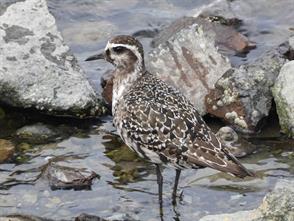
967
American Golden-Plover (Pluvialis dominica) (AMGP) | 9.5–11.25 in. (24–28.5 cm)
-
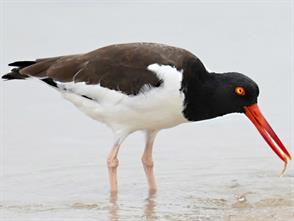
444
American Oystercatcher (Haematopus palliatus) (AMOY) | 16–17.5 in. (40.6–44.4 cm)
-
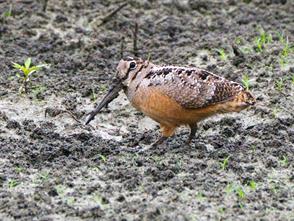
77
American Woodcock (Scolopax minor) (AMWO) | 10–12 in. (25.4–28 cm)
-
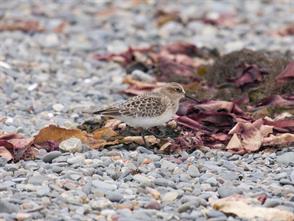
620
Baird’s Sandpiper (Calidris bairdsii) (BASA) | 5.75–7.25 in. (14–18 cm)
-
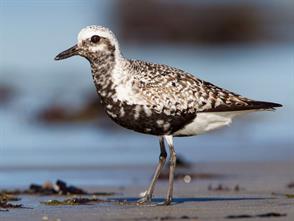
488
Black-bellied Plover (Pluvialis squatarola) (BBPL) | 10.6–11.8 in. (27–30 cm)
-
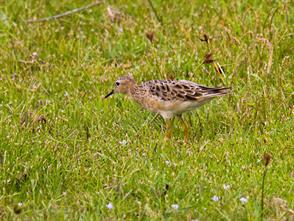
99
Buff-breasted Sandpiper (Calidris subruficollis) (BBSA) | 7.25–8 in. (18–20 cm)
-
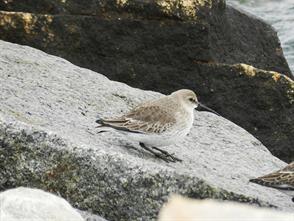
473
Dunlin (Calidris alpina) (DUNL) | 6.5–8.5 in. (16.5–21cm)
-
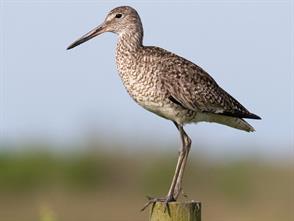
421
Eastern Willet (Tringa semipalmata semipalmata) (EAWI) | 12.5–14 in. (31–35 cm)
-
487
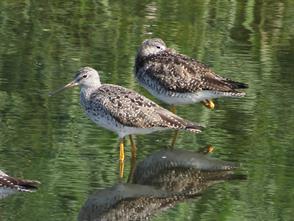
Greater Yellowlegs (Tringa melanoleuca) (GRYE) | 11.5–13.25 in. (29–33 cm)
-
469
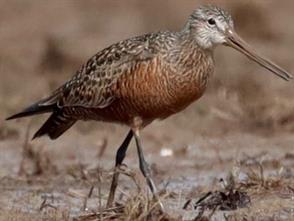
Hudsonian Godwit (Limosa haemastica) (HUGO) | 14.5–16.7 in (37–42 cm)
-
58
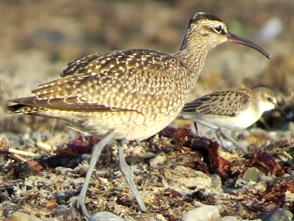
Hudsonian Whimbrel (Numenius hudsonicus) (HUWH) | 16–16.75 in. (40–42 cm)
-
58
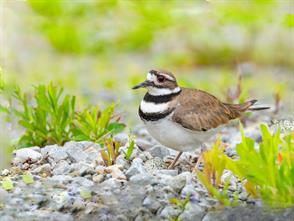
Killdeer (Charadrius vociferus) (KILL) | 9.25–10.5 in. (23–26 cm)
-
586
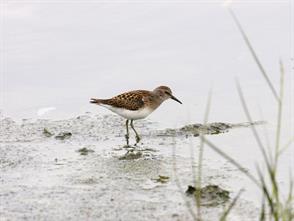
Least Sandpiper (Calidris minutilla) (LESA) | 4.5–4.75 in. (11.4–12 cm)
-
472
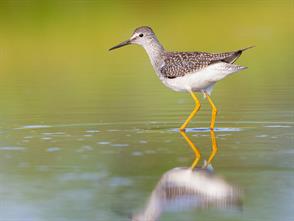
Lesser Yellowlegs (Tringa flavipes) (LEYE) | 9.25–10 in. (23–25 cm)
-
418
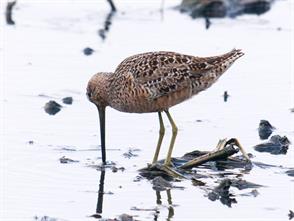
Long-billed Dowitcher (Limnodromus scolopaceus) (LBDO) | 9.5–10.5 in. (24–26.7 cm)
-
53
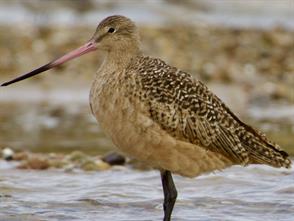
Marbled Godwit (Limosa fedoa) (MAGO) | 16.75–19.25 in. (42–48 cm)
-
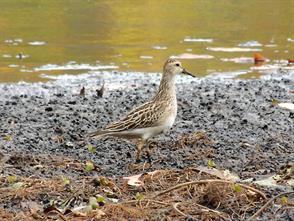
478
Pectoral Sandpiper (Calidris melanotos) (PESA) | 7.5-9 in. (19-23 cm)
-
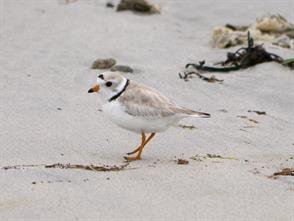
422
Piping Plover (Charadrius melodus) (PIPL) | 6.75–7.25 in. (17–19 cm)
-
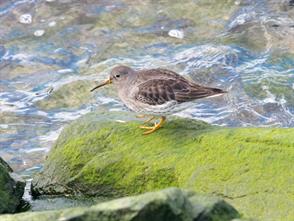
495
Purple Sandpiper (Calidris maritime) (PUSA)
8–8.75 in. (20–22 cm)
-
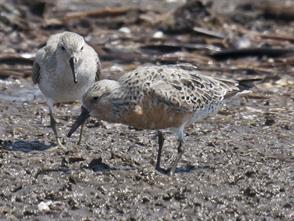
441
Red Knot (Calidris canutus) (REKN) | 9–10 in. (23–25 cm)
-
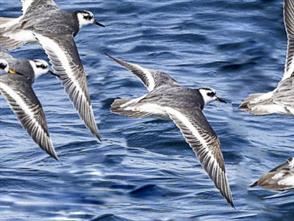
69
Red Phalarope (Phalaropus fulicarius) (REPH) | 8–8.75 in. (20–22 cm)
-
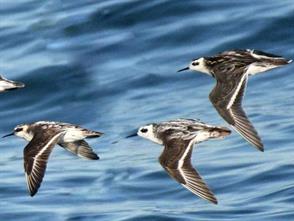
66
Red-necked Phalarope (Phalaropus lobatus) (RNPH) | 7.25–7.5 in. (18–19 cm)
-
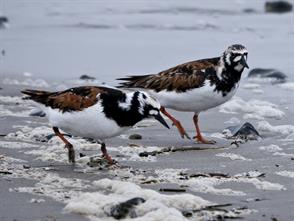
423
Ruddy Turnstone (Arenaria interpres) (RUTU) | 8.75–9.5 in. (22.2–24.1 cm)
-
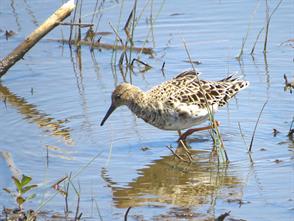
47
Ruff (Calidris pugnax) (RUFF) | 7.9–12.6 in. (20–32 cm)
-
419
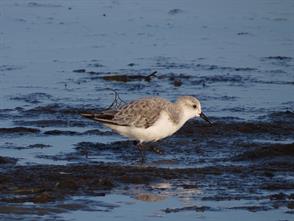
Sanderling (Calidris alba) (SAND) | 7.7– 8 in. (18–20 cm)
-
460
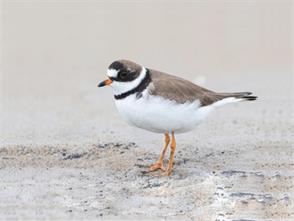
Semipalmated Plover (Charadrius semipalmatus) (SEPL) | 6.75–7.25 in. (17–19 cm)
-
546
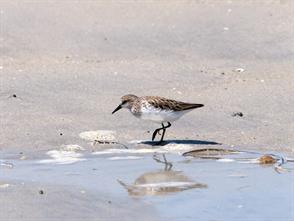
Semipalmated Sandpiper (Calidris pusilla) (SESA) | 5.5–6 in. (13–15 cm)
-
494
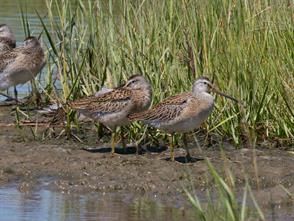
Short-billed Dowitcher (Limnodromus griseus) (SBDO) | 9.0–10 in. (23–25 cm)
-
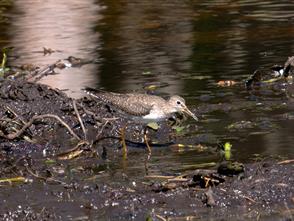
440
Solitary Sandpiper (Tringa solitaria) (SOSA) | 7.5–9.25 in. (19–23 cm)
-
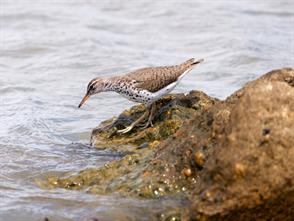
73
Spotted Sandpiper (Actitis macularius) (SPSA) | 7.1–7.9 in. (18–20 cm)
-
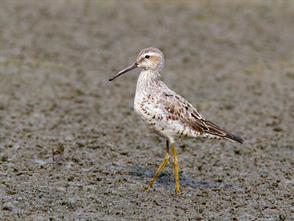
429
Stilt Sandpiper (Calidris himantopus) (STSA) | 7.9–9.1 in. (20–23 cm)
-
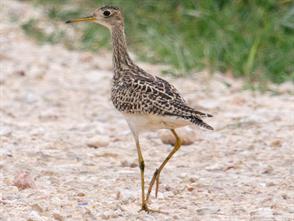
382
Upland Sandpiper (Bartramia longicauda) (UPSA) | 11.25–12.75 in. (28–32 cm)
-
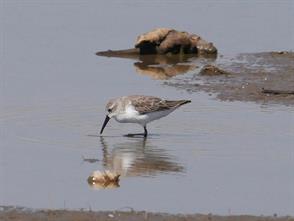
461
Western Sandpiper (Calidris mauri) (WESA) | 5.5–6.75 in. (14–17 cm)
-
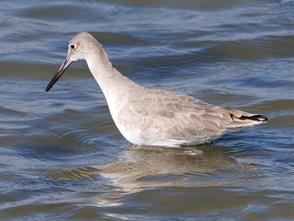
346
Western Willet (Tringa semipalmata inornata) (WEWI) | 13.5–16.5 in. (34–41 cm)
-
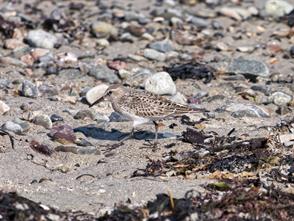
516
White-rumped Sandpiper (Calidris fuscicolis) (WRSA) | 7-7.3 in. (17.8-18.5 cm)
-
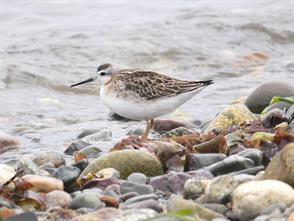
406
Wilson’s Phalarope (Phalaropus tricolor) (WIPH) | 8.75–9.5 in. (22–24 cm)
-
60
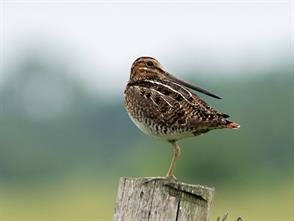
Wilson’s Snipe (Gallinago delicata) (WISN) | 10–11.5 in. (25.4–28 cm)
American Golden-Plover (
Pluvialis dominica) (AMGP) | 9.5–11.25 in. (24–28.5 cm)
American Oystercatcher (
Haematopus palliatus) (AMOY) | 16–17.5 in. (40.6–44.4 cm)
American Woodcock (
Scolopax minor) (AMWO) | 10–12 in. (25.4–28 cm)
Baird’s Sandpiper (
Calidris bairdsii) (BASA) | 5.75–7.25 in. (14–18 cm)
Black-bellied Plover (
Pluvialis squatarola) (BBPL) | 10.6–11.8 in. (27–30 cm)
Buff-breasted Sandpiper (
Calidris subruficollis) (BBSA) | 7.25–8 in. (18–20 cm)
Dunlin (
Calidris alpina) (DUNL) | 6.5–8.5 in. (16.5–21cm)
Eastern Willet (
Tringa semipalmata semipalmata) (EAWI) | 12.5–14 in. (31–35 cm)
Greater Yellowlegs (
Tringa melanoleuca) (GRYE) | 11.5–13.25 in. (29–33 cm)
Hudsonian Godwit (
Limosa haemastica) (HUGO) | 14.5–16.7 in (37–42 cm)
Hudsonian Whimbrel (
Numenius hudsonicus) (HUWH) | 16–16.75 in. (40–42 cm)
Killdeer (
Charadrius vociferus) (KILL) | 9.25–10.5 in. (23–26 cm)
Least Sandpiper (
Calidris minutilla) (LESA) | 4.5–4.75 in. (11.4–12 cm)
Lesser Yellowlegs (
Tringa flavipes) (LEYE) | 9.25–10 in. (23–25 cm)
Long-billed Dowitcher (
Limnodromus scolopaceus) (LBDO) | 9.5–10.5 in. (24–26.7 cm)
Marbled Godwit (
Limosa fedoa) (MAGO) | 16.75–19.25 in. (42–48 cm)
Pectoral Sandpiper (
Calidris melanotos) (PESA) | 7.5-9 in. (19-23 cm)
Piping Plover (
Charadrius melodus) (PIPL) | 6.75–7.25 in. (17–19 cm)
Purple Sandpiper (
Calidris maritime) (PUSA)
8–8.75 in. (20–22 cm)
Red Knot (
Calidris canutus) (REKN) | 9–10 in. (23–25 cm)
Red Phalarope (
Phalaropus fulicarius) (REPH) | 8–8.75 in. (20–22 cm)
Red-necked Phalarope (
Phalaropus lobatus) (RNPH) | 7.25–7.5 in. (18–19 cm)
Ruddy Turnstone (
Arenaria interpres) (RUTU) | 8.75–9.5 in. (22.2–24.1 cm)
Ruff (
Calidris pugnax) (RUFF) | 7.9–12.6 in. (20–32 cm)
Sanderling (
Calidris alba) (SAND) | 7.7– 8 in. (18–20 cm)
Semipalmated Plover (
Charadrius semipalmatus) (SEPL) | 6.75–7.25 in. (17–19 cm)
Semipalmated Sandpiper (
Calidris pusilla) (SESA) | 5.5–6 in. (13–15 cm)
Short-billed Dowitcher (
Limnodromus griseus) (SBDO) | 9.0–10 in. (23–25 cm)
Solitary Sandpiper (
Tringa solitaria) (SOSA) | 7.5–9.25 in. (19–23 cm)
Spotted Sandpiper (
Actitis macularius) (SPSA) | 7.1–7.9 in. (18–20 cm)
Stilt Sandpiper (
Calidris himantopus) (STSA) | 7.9–9.1 in. (20–23 cm)
Upland Sandpiper (
Bartramia longicauda) (UPSA) | 11.25–12.75 in. (28–32 cm)
Western Sandpiper (
Calidris mauri) (WESA) | 5.5–6.75 in. (14–17 cm)
Western Willet (
Tringa semipalmata inornata) (WEWI) | 13.5–16.5 in. (34–41 cm)
White-rumped Sandpiper (
Calidris fuscicolis) (WRSA) | 7-7.3 in. (17.8-18.5 cm)
Wilson’s Phalarope (
Phalaropus tricolor) (WIPH) | 8.75–9.5 in. (22–24 cm)
Wilson’s Snipe (
Gallinago delicata) (WISN) | 10–11.5 in. (25.4–28 cm)
When attempting to identify a shorebird, keep in mind that size, shape, and behavior are often as helpful as plumage in determining the species.
Size and shape
In the thumbnails images above, the birds are sized to demonstrate their relative dimensions compared to other shorebirds. We also give body length information for each species. Be sure to pay attention to body shapes and postures in the illustrations.
Plumage
When attempting to identify a shorebird using plumage, keep in mind the season: many species of shorebirds undergo transformative seasonal molts, usually for winter (basic plumage) and for spring and summer (breeding or alternate plumage). There is also, usually, a distinctive juvenile plumage. In this guide we attempt to show variations and seasonal molts as well as in-between plumages.
Seasons
Due to the vast distances that most shorebird travel in the course of their annual migrations, many species are generally expected and observed at specific times of year. For example, in winter one can expect to find Purple Sandpipers, Dunlins and Sanderlings, usually at southern New England shore spots.
In spring, the first shorebirds to arrive in New England are American Woodcock (February), followed by Killdeer and then Wilson’s Snipe (March). Least Sandpipers and Greater Yellowlegs arrive in April. Most other species arrive in May, with the major movement being in the last week of May or even the first week of June. The reason for this movement late in the spring is that subarctic and arctic regions, where most of these migratory shorebirds are headed, are often covered by ice and snow until June.
Most shorebirds that nest in boreal regions finish their nesting activities by late June or, at the latest, early July. Many adults, the females in the majority of species, then leave the arctic or subarctic and begin their southward journeys, so that “fall” shorebird migration appears to start in early July. Eventually the males arrive in mid-August and the juveniles in September; migrant shorebirds move on to southern latitudes and, in many case, the southern hemisphere where they winter. By November, most species are far south of New England, although there are always a few lingerers.
The species accounts explain that certain species, such as Western Sandpiper or Long-billed Dowitcher, are extremely scarce in spring migration in New England, but expected, albeit in small numbers, in fall migration. Other species, such as Stilt Sandpiper or Baird’s Sandpiper, migrate primarily through the center of the continent, so that they are scarce in New England in both spring and fall.
Behavior
Within each of the major groupings there are subgroups which are genetically related. Species that are genetically related often, but not always, exhibit behavioral similarities or similarity in habitat preference. For example, nearly all the sandpipers in the genus Tringa teeter slightly when walking and prefer shallow water rather than mudflats or sandy beaches when foraging. Plovers in the genus Pluvialis feed by running along on a sandy or muddy substrate, then stopping suddenly to pull up a worm or other food item.